
An ATO warning letter is a formal notice indicating that something in your tax return or tax affairs requires review. It is not an audit notice. The ATO sends warnings to give taxpayers an opportunity to correct errors or provide documentation before any formal action is taken. Most warnings are resolved without escalation when addressed promptly.
Received a Tax Return Warning? Here Is What It Means and What to Do
Overview
Most people who receive an ATO tax return warning have not done anything seriously wrong. A warning is not the same as an audit. It is the ATO's way of flagging that something in your return does not match the information it holds from other sources, or that a deduction you claimed falls outside the typical range for your occupation. In many cases, responding promptly with the right documentation closes the matter completely.This guide explains what ATO tax return warnings actually are, why they are issued, how to tell a genuine ATO communication from a scam, and exactly what to do next if you have received one.
What Is an ATO Tax Return Warning?
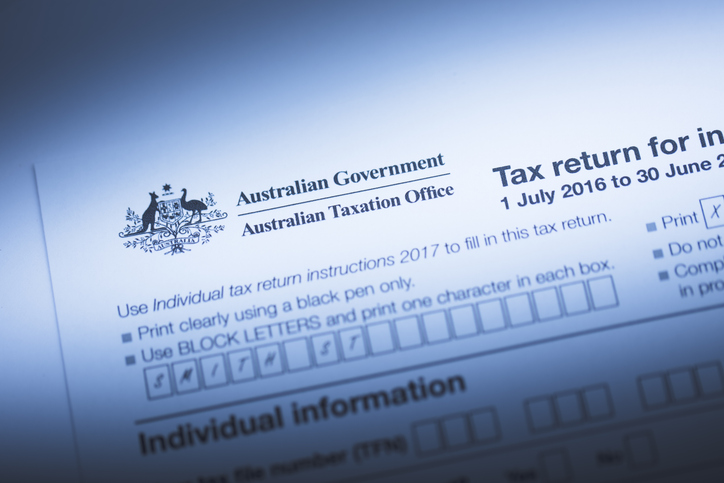
An ATO tax return warning is a formal communication from the Australian Taxation Office indicating that something in your lodged return, or in your tax affairs more broadly, requires attention. The ATO issues these warnings before taking formal action, giving taxpayers an opportunity to review their situation and correct errors voluntarily.Warnings are generated by the ATO's data-matching and compliance systems, which cross-reference what you report against information from employers, banks, share registries, government agencies, and in recent years, platforms that report gig economy and sharing economy income. When a discrepancy is identified, the ATO typically issues a warning rather than moving immediately to an audit.
The tone and format of warnings vary. Some are letters. Some are notices within your ATO online account. Some come as pre-lodgement alerts advising you to check specific items before you lodge. What they share is that they require a response, or at minimum a careful review of your position.
ATO Warning vs ATO Audit: What Is the Difference?
These two things are very different in scope, process, and consequence, and it is worth being clear about the distinction before doing anything else.| ATO Warning | ATO Audit | |
| What it is | A notice flagging a potential issue for the taxpayer's review | A formal investigation of the taxpayer's financial records |
| Stage | Before or shortly after assessment | After assessment, triggered by a warning, intelligence, or data pattern |
| ATO contact style | Letter, online notice, or pre-lodgement alert | Formal written request, often with a case officer assigned |
| Likely outcome if resolved | Matter closed with no further action | Amended assessment, or finding of no issue |
| Risk of penalties | Low, if addressed promptly and honestly | Higher, particularly for deliberate errors |
| How to handle | Review, gather records, respond or amend | Engage a registered tax agent immediately |
Receiving a warning does not mean an audit is coming. But ignoring a warning significantly increases the probability of one. The ATO tracks response patterns, and non-responses to warnings are themselves a flag that can lead to escalation.
Is It a Real ATO Warning or a Scam?
This is a necessary first step before doing anything else. ATO-themed scams are among the most common in Australia, and the pressure and urgency they create can cause people to act against their own interests.
How to Verify the Communication Is Genuine
The ATO communicates with taxpayers through a small number of official channels. Knowing which ones are legitimate helps you identify what is genuine and what is not.
- Letters sent to your registered postal address are the ATO's primary formal communication method. A letter from the ATO is almost always genuine.
- Notices within your ATO online services account, accessed through your verified myGov login, are genuine. If you see a notification, log into myGov directly, do not follow any link in an email or SMS to do so.
- Phone calls from the ATO are possible, but the ATO will never demand immediate payment or ask for your bank details over the phone. Legitimate ATO calls can be verified by hanging up and calling the ATO directly on 13 28 61.
- Emails from the ATO are used for general information but not for notices about specific account actions. The ATO does not send links asking you to log in to verify your details via email.
Warning signs of a scam
Urgency or threats of immediate arrest or legal action. Requests for payment via gift cards, cryptocurrency, or wire transfer. Links in SMS or email asking you to log in. Requests for your Tax File Number, bank details, or passwords via phone or email. Caller ID that shows 'ATO' or a government number (caller ID can be spoofed).If you are unsure, do not engage with the communication at all. Contact the ATO directly using the number on their official website (ato.gov.au) to verify whether any correspondence has been sent to you.
Why Did You Receive a Tax Return Warning?
The ATO does not publish its exact selection criteria, but the patterns that consistently generate warnings are well documented. Understanding which category your warning falls into shapes how you respond.
Income or Data Mismatches
The most common trigger is a gap between what you reported and what the ATO received from a third party. Your employer reports your salary and tax withheld through Single Touch Payroll every pay cycle. Banks report interest. Share registries report dividends. Investment platforms report distributions. If any of these figures differ from what appears in your return, the mismatch is flagged automatically.This sometimes happens for entirely innocent reasons. Lodging before your income statement was marked 'Tax Ready' is a common cause. Forgetting to include a bank account that earned a small amount of interest is another. The ATO's concern is whether the difference was accidental or deliberate, and responding with the correct figures and an explanation typically resolves the matter quickly.
Deductions Outside Industry Benchmarks
The ATO publishes industry benchmarks showing the typical range of work-related expense claims for different occupations. If your deductions fall significantly above the benchmark for someone in your role, your return may be flagged for a closer look.This does not mean your claim is wrong. Legitimate circumstances produce above-benchmark claims regularly. But the claim needs to be supportable with records. A logbook, receipts, and a clear explanation of why your expenses exceeded the typical range are what the ATO is looking for.
Side Hustle and Gig Economy Income
The ATO receives data from ride-share platforms, delivery apps, and short-term accommodation platforms. If you earned income from any of these sources during the year and did not declare it, the discrepancy between the platform's report and your return will be identified.This is a growing compliance focus for the ATO, and the warnings related to side hustle income are increasingly specific. The ATO knows the platform, the approximate amount, and the period. The best response is to review your records, confirm the correct income figure, and amend your return if necessary.
Overdue Returns or Outstanding Debts
If you have not lodged a return that was due, the ATO may issue a warning before resorting to a default assessment or enforcement action. Similarly, if you have an unresolved debt with the ATO or an outstanding Centrelink or child support amount, a warning about your refund being offset may precede the actual lodgement assessment.These warnings are essentially notices of intent. Acting before the ATO escalates to enforcement produces a significantly better outcome than waiting.
Random Selection
Some returns are selected for review as part of the ATO's random audit program, regardless of whether there is a specific discrepancy. This is less common than data-triggered selection, but it does occur. If your return is selected randomly, the ATO's review is a genuine audit of your records rather than a query about a specific item, which is why random selection requires the same approach as a specific warning.
What Happens to Your Refund After a Warning?
If your return is under review following a warning, your refund will typically be held until the review is resolved. The ATO will not release money while the assessment is in question.How long this takes depends on the nature of the issue. A simple income mismatch that is quickly corrected through an amendment may be resolved within a few weeks. A more detailed review involving multiple deductions or prior year returns can take longer.
If the ATO adjusts your assessment as a result of the warning, your refund amount may change. If the adjustment reduces your assessed liability, your refund increases. If the adjustment finds you owed more than you paid, the refund may be reduced or eliminated, and you may be issued a tax bill instead.
If the review is causing financial hardship, a registered H&R Block agent can contact the ATO and request priority processing. This provision exists and is taken seriously by the ATO when properly documented.
Received an ATO warning? Do not respond alone.
H&R Block's registered tax agents communicate with the ATO directly on your behalf. We review the warning, assess what it relates to, gather your supporting documentation, and prepare the response. You do not have to deal with the ATO yourself at any stage. If the warning is time-sensitive, contact H&R Block today.Find your nearest H&R Block office and book an appointment today.
What Should You Do After Receiving an ATO Warning?
The single most important thing is to act rather than wait. The ATO gives warning recipients a window to respond, and acting within that window consistently produces better outcomes than ignoring the notice or delaying.- Read the warning carefully. The ATO will identify what it is querying. This tells you exactly where to focus your review.
- Do not lodge another return or a duplicate amendment before the original is resolved. Additional lodgements complicate the process and can extend the review period.
- Locate your supporting records for the items in question. Receipts, logbooks, bank statements, contracts, and any other documentation that supports your claims.
- Decide whether to amend or respond. If you made an error, lodging an amendment with the correct figures and a brief explanation is usually the cleanest resolution. If your claim is correct and you have the records to prove it, a written response to the ATO explaining your position is appropriate.
- Engage a registered tax agent if the warning is complex, if penalties are mentioned, or if you are uncertain about any aspect of the response. An agent communicates with the ATO on your behalf and is better placed to negotiate outcomes.
- Respond within the timeframe specified. ATO warnings typically include a response window. Missing it without explanation signals non-engagement, which increases the risk of escalation.
What Documents Should You Have Ready?
The documents you need depend on what the warning relates to. For work-related expense claims, the ATO typically wants:- Receipts or invoices showing the nature of the expense, the supplier, the date, and the amount paid
- A vehicle logbook if the warning relates to car expense claims, showing business-use kilometres over at least 12 continuous weeks
- A written record of work-from-home hours if the fixed rate method was used for home office claims
- Diary entries, calendar records, or job sheets demonstrating the work-related purpose of specific expenses
For income-related warnings, the ATO typically wants your income statements, bank statements showing the relevant deposits, or platform earnings summaries if the warning relates to gig economy income.
The ATO can request records going back five years from the date of lodgement. In cases of suspected fraud, there is no time limit. If you cannot locate a specific receipt, bank statements showing the transaction and a written explanation of the expense are often accepted as alternative evidence. If you are working with an H&R Block agent, they can assist in preparing a documented explanation for cases where original records are incomplete.
What Happens If You Ignore an ATO Warning?
Ignoring a warning is consistently the worst available option. The ATO follows up, and the second contact is generally less accommodating than the first.Depending on the nature of the warning, ignoring it can result in:
- The ATO amending your assessment without consulting you, using its own judgment about what the correct figures should be. This is called a default assessment, and it does not require your agreement.
- Failure to lodge penalties if the warning related to an outstanding return. These accumulate at $330 per 28-day period up to $1,650.
- Interest charges on any tax liability, applying from the original due date of the return.
- Penalties for under-reporting or incorrectly claiming, which can range from 25% of the shortfall for careless errors to 75% for deliberate ones.
- Escalation to a formal audit, where the ATO examines your full financial records rather than a specific item.
None of these outcomes are improved by waiting. If you are not sure what to do, engaging a registered tax agent is better than doing nothing.
Can a Warning Affect Future Tax Returns?
The ATO maintains records of compliance history and return patterns. A single resolved warning that you addressed promptly and honestly is unlikely to create lasting consequences. However, a pattern of warnings, non-responses, or repeated errors in the same area across multiple years is a signal that the ATO treats seriously.If a warning results in an audit, the ATO may review not just the current year but prior years as well, particularly if the issue appears to be a systematic pattern rather than a one-off error. This is one reason why addressing a warning cleanly the first time matters beyond just the current return.
From an administrative perspective, being on the ATO's compliance watch list can mean more frequent pre-lodgement prompts and closer scrutiny of future returns. This is not a permanent state for most taxpayers who resolve issues honestly, but it can persist for several years.
How to Reduce Your Risk of an ATO Warning Next Year
Most ATO warnings are avoidable through basic compliance practices that also happen to produce better tax returns.- Lodge after your income statements are marked Tax Ready, which typically occurs from mid to late July. Lodging with preliminary figures is the most common avoidable trigger for income mismatch warnings.
- Declare all income sources, including bank interest, dividends, investment distributions, and platform income from gig economy work. The ATO receives all of this independently.
- Claim deductions you can substantiate. If you have records to support a claim, make it. If you do not, either obtain the records before claiming or do not claim.
- Keep records for five years from the date of lodgement.
- If you realise an error after lodging, amend your return before the ATO contacts you. Voluntary disclosure of errors is consistently treated more favourably than errors the ATO identifies through its own review process.
- Use a registered tax agent. Returns prepared by tax agents who understand the ATO's current compliance focus areas, industry benchmarks, and substantiation requirements are less likely to trigger warnings than self-lodged returns.
H&R Block Can Help
You do not need to be a current H&R Block client to get help with an ATO tax return warning. We welcome both new and existing clients who have received a warning.All new clients receive a free second look assessment. Our registered tax agents will review the ATO warning, double-check your return for any errors or missed deductions, and prepare a clear and accurate response to the ATO on your behalf.
Book your free second look assessment
Frequently Asked Questions
Common reasons include an income figure that does not match data from your employer or bank, deductions that fall outside the typical range for your occupation, undeclared income from a side job or platform, an overdue return, or an outstanding government debt. Some returns are also selected randomly as part of the ATO's compliance program.
The ATO issues data-matching alerts in July after employers finalise income statements through Single Touch Payroll. People who lodge returns very early in July, before income statements are marked Tax Ready, may receive a warning because the figures in their return do not match the finalised employer data submitted after 14 July. Waiting until late July resolves this.
Audits are typically triggered by unresolved warnings, systematic patterns of error across multiple years, high deduction claims that cannot be substantiated, or specific intelligence about unreported income. Random selection also plays a role. Responding to ATO warnings promptly and honestly significantly reduces the risk of progressing to a formal audit.
Verify the communication is genuine before responding. The ATO communicates via letter, through your myGov account, or by phone. If contacted by phone, you can ask to call back using the official ATO number (13 28 61). A registered tax agent can receive and respond to ATO correspondence on your behalf, removing you from the process entirely.
The most common avoidable trigger is lodging before income statements are finalised, which creates an income mismatch between the early figures and the data the ATO receives from employers after mid-July. The second most common is claiming deductions without keeping records, which leaves the taxpayer unable to respond if the ATO asks for substantiation.
Still have questions?
We have the answers. Let us take care of you and your tax needs.
Share with your friends
Related Articles

Learn the biggest tax return mistakes Australians make during the 2025–26 financial year and how ...
13 min read

Learn how deceased estate tax returns work in Australia, including who lodges them, when a final ...
19 min read

A guide for American expats working and living in Australia. Includes what US expats need to know...
10 min read

Learn how ATO tax refunds work in Australia, who is eligible, how refunds are calculated, when yo...
13 min read
.png?width=55&height=48&ext=.png)
