
No. The proposed $1,000 standard deduction is not a cash payment or automatic refund from the government. It would allow eligible taxpayers to reduce their taxable income by up to $1,000, which may lower the amount of tax they pay depending on their marginal tax rate.
$1,000 Standard Tax Deduction Explained for the 2026–27 Tax Return
Last updated:
22 May 2026
Originally published:
May 2025
$1,000 standard deduction at a glance
The government has released draft legislation for a proposed $1,000 standard tax deduction that could apply from 1 July 2026. If introduced, eligible Australians may be able to claim a $1,000 deduction on their tax return without needing receipts for certain work-related expenses. Taxpayers would still have the option to claim their actual deductions instead, which may provide a larger tax refund for people with higher work-related expenses.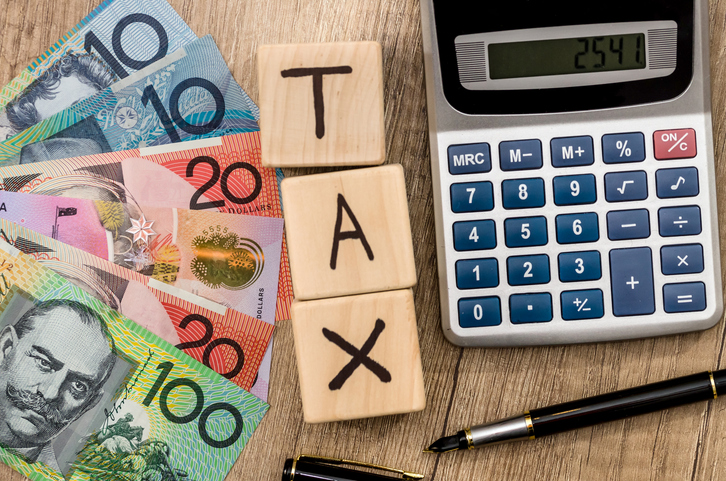
The proposed $1,000 standard deduction: what it could mean for your Australian tax return
The government’s proposed $1,000 standard deduction has taken an important step forward, with draft legislation and an explanatory memorandum now released for consultation.If passed in its current form, the measure would apply from 1 July 2026, meaning it could first be available when taxpayers lodge their 2026–27 tax returns in 2027.
The proposal is intended to simplify tax time for millions of Australians by allowing eligible taxpayers to claim a fixed deduction for certain work-related expenses.
Understanding the proposed $1,000 standard tax deduction in Australia
The proposed measure would allow eligible taxpayers to claim a $1,000 deduction from their taxable income without needing receipts or substantiation for expenses covered by the measure.The proposal is not a $1,000 cash payment or refund from the government.
Because tax deductions reduce taxable income, the actual tax benefit depends on a taxpayer’s marginal tax rate.
For example:
- If your marginal tax rate is 15%, the deduction could save you up to $150 in tax
- At 30%, the saving could be up to $300
- At 47%, the maximum value could be up to $470
The measure is intended to reduce record keeping requirements for eligible taxpayers with lower work-related expenses.
How the proposed $1,000 standard deduction would work for taxpayers
Based on the draft legislation, eligible taxpayers would be able to choose between:Option 1: Claim the $1,000 standard deduction, or
Option 2: Continue claiming actual deductible work-related expenses under the current rules.
Taxpayers would need to choose the option that produces the better tax outcome based on their individual circumstances.
If legitimate work-related deductions exceed $1,000, claiming actual expenses may result in a higher deduction.
Work-related expenses covered under the proposed standard deduction
The proposal is aimed at common work-related deductions typically claimed by employees, including:- Home office running costs
- Stationery and office supplies
- Work-related internet and phone use
- Professional subscriptions
- Minor work-related travel costs
If a taxpayer chooses the standard deduction, those expenses generally could not also be separately claimed.
Deductions that may still be claimed separately under the proposed tax rules
The explanatory memorandum indicates that some deductions may still be claimable in addition to the standard deduction, including:- Tax agent fees
- Charitable donations
- Union or professional association fees
- Investment-related deductions
This means eligible taxpayers may still be able to claim certain deductions separately from the proposed standard deduction.
Taxpayers who could benefit from the proposed $1,000 tax deduction
The proposal may benefit taxpayers who:- Typically claim less than $1,000 in work-related deductions
- Prefer a simpler tax return with less record keeping
- Don’t currently claim deductions because of the paperwork involved
- Have relatively straightforward tax affairs
For these taxpayers, the proposal may simplify the process of claiming work-related deductions.
Who may receive a higher deduction by claiming actual work-related expenses
The standard deduction may not suit all taxpayers.Taxpayers who regularly claim more than $1,000 in work-related expenses may still be better off claiming actual deductions under existing rules, including:
- Teachers with classroom supply expenses
- Tradies with tools or vehicle costs
- Nurses and health workers with uniform and self-education claims
- Hybrid workers with significant home office expenses
- Anyone using the logbook method for car expenses
In these situations, claiming actual expenses may produce a higher deduction.
Why record keeping may still matter under the proposed standard deduction
Although the measure is intended to reduce paperwork, taxpayers may still need to compare the standard deduction against their actual work-related expenses to determine which option provides the better outcome.For some taxpayers, maintaining records may still be beneficial when assessing which claiming method results in the higher deduction.
The current status of the proposed $1,000 standard deduction legislation
This legislation is currently making its way through Parliament. The Bill, which also contains significant changes to the tax system such as the changes to the CGT provisions and negative gearing, were referred to the Economics Legislation Committee for inquiry and report by 19 June 2026.
The bottom line on the proposed $1,000 standard deduction
The proposed $1,000 standard deduction could simplify tax time for many Australians, particularly taxpayers with lower work-related deductions.However, the measure may not provide the best outcome for every taxpayer.
The most appropriate approach is likely to depend on individual circumstances, including the value of legitimate work-related deductions that could otherwise be claimed under existing tax rules.
Frequently Asked Questions
If passed in its current form, the proposed $1,000 standard deduction would apply from 1 July 2026. This means it could first affect 2026–27 tax returns lodged from July 2027 onwards.
Yes. Based on the draft legislation, taxpayers would be able to choose between claiming the proposed $1,000 standard deduction or claiming their actual work-related expenses under existing tax rules. Taxpayers with higher deductible expenses may receive a better outcome by claiming actual costs.
The proposed standard deduction is intended to cover common work-related expenses typically claimed by employees, including home office running costs, stationery, work-related phone and internet expenses, professional subscriptions and minor work-related travel expenses.
Taxpayers who choose the proposed standard deduction generally would not need receipts for expenses covered by the measure. However, record keeping may still be important when comparing the standard deduction against actual work-related expenses to determine which option provides the better tax outcome.

Still have questions?
We have the answers. Let us take care of you and your tax needs.
Share with your friends
Related Articles

The Australian Government announced the 2026 Federal Budget on 12 May 2026, outlining proposed ta...
9 min read

Discover the ATO's key compliance risks for Tax Time 2026, including work-related deductions, ren...
7 min read

The 2026 Federal Budget announced proposed trust tax changes that could significantly affect disc...
5 min read

The 2026–27 Federal Budget proposed major changes to Australia’s capital gains tax system, includ...
20 min read
.png?width=55&height=48&ext=.png)
